Households throw away a substantial share of the vegetables they buy, and the usual explanation — buying too much — is only half of it. A great deal is bought in reasonable quantity and then stored in a way that makes it much more likely it will not last the week.
Four rules cover almost everything.
1. Some things must never go in the fridge
Cold does not preserve everything. For several common vegetables it actively destroys texture or flavour.
Potatoes turn sweet and gritty in the fridge, because cold converts their starch to sugar. Keep them somewhere cool, dark and ventilated — a paper bag in a cupboard, not a sealed plastic one.
Onions and garlic want dry and dark with air movement. In the fridge they go soft; in a sealed container they sprout and rot.
Tomatoes lose their aroma below about 12°C and never recover it. On the counter, stem side down.
Squash, pumpkin and sweet potato all keeps well for some time in a cupboard and poorly in the cold.
Bananas, avocados and stone fruit should ripen at room temperature. Once ripe, the fridge slows them down, which is a different job.
And two of those should not be near each other
Potatoes and onions stored together spoil each other faster — the onions encourage the potatoes to sprout. Separate cupboards, or at least separate bags.
2. Most other things want cold, humid and dark
The salad drawer exists for a reason: it holds more moisture than the rest of the fridge, which is what leafy vegetables need.
The mistake is storing them wet. Wet leaves rot; humid air keeps them crisp. The difference is whether there is liquid water sitting on them.
The method that works for salad, spinach, herbs and greens: rinse, dry thoroughly — a salad spinner or a clean tea towel — then store in a container or bag with a piece of kitchen paper to absorb what remains. That paper is doing the work, and changing it after a few days extends things considerably.
Carrots, celery and radishes behave differently: they want actual water. Submerged in a container of cold water in the fridge, they often stay crisp for a week or two, and limp ones firm up again within an hour.
3. Keep the ethylene producers apart
Some fruit and vegetables release ethylene as they ripen, and ethylene makes everything nearby ripen faster. This is why one bag of apples can age an entire drawer.
Producers: apples, bananas, tomatoes, avocados, peaches, pears. Sensitive: leafy greens, broccoli, carrots, cucumbers, potatoes.
Keeping those two lists apart is one of the highest-value storage habits there is, and it costs nothing but a different shelf.
It also works in reverse. An unripe avocado in a paper bag with a banana will be ready a day or two sooner.
4. Cut surfaces change the rules
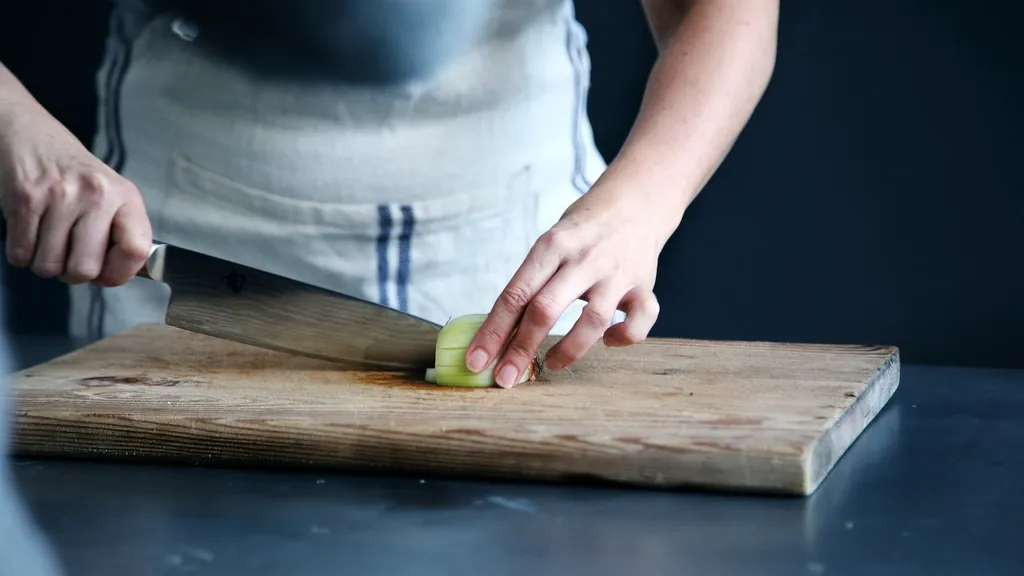
An intact vegetable is well defended. A cut one is exposed, and the clock speeds up considerably.
Anything cut should be covered and refrigerated, and used within a couple of days. This is where official guidance is worth following rather than judging by eye — the Food Standards Agency’s food safety pages and the USDA’s food safety guidance both set out storage times, and the advice on prepared and pre-cut produce is stricter than most people assume.
Bagged salad is the one to treat with the most care, because it has been cut and washed already and its clock started before you bought it.
The things worth doing on the day you shop
Ten minutes when you unpack pays for itself repeatedly.
- Take everything out of sealed plastic bags. Trapped moisture and no airflow is the fastest route to rot.
- Wash and dry the leaves now, while you are standing there, rather than while hungry later.
- Trim herbs and stand them in a glass of water — coriander, parsley and mint all keep for a week or more this way, covered loosely.
- Move the ethylene producers to their own shelf.
- Put the things that need using first at the front, where you will see them.
That last one prevents more waste than any storage technique, because most food is thrown away for being forgotten rather than for being old.
Mushrooms are their own case
Worth separating out, because almost everyone stores them wrong. Mushrooms are mostly water and they breathe, so a sealed plastic punnet turns them slimy within days.
Take them out of the plastic and keep them in a paper bag in the fridge. The paper absorbs the moisture they give off while still letting air move, and they will keep firm for well over a week rather than three days.
Do not wash them until you cook them. They absorb water readily, and a washed mushroom stored damp is a mushroom you will be throwing away.
When to stop trusting your eyes
Soft, slimy, smelling wrong, or visibly mouldy on soft produce — throw it away. Mould on soft, wet vegetables extends invisibly beyond what you can see, so cutting a piece off is not the answer it is for a hard cheese or a firm carrot.
More cooking in Food & Cooking, including what to keep in a small freezer and why food sticks to your pan.