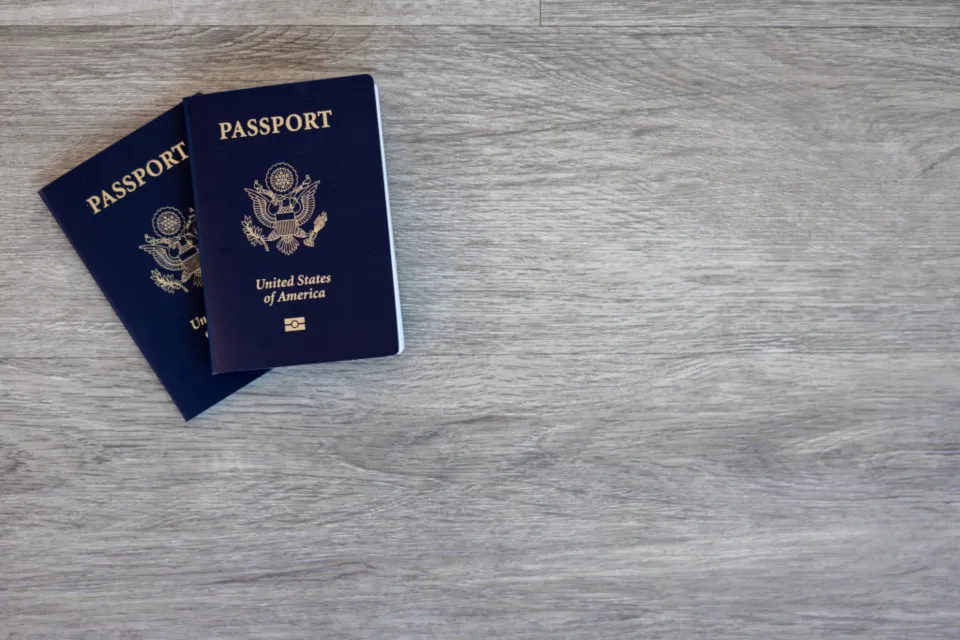
The difference between losing a passport being a bad afternoon and a ruined week is almost entirely decided before you leave home, by whether you spent ten minutes photographing things.
Replacing documents abroad is a process that runs on evidence. An embassy can move quickly when you can prove who you are and what you had. Without that proof, the same process becomes days of back-and-forth with people who cannot see any reason to believe you.
What to photograph
Your passport’s photo page. The single most useful image. Numbers, dates and the exact spelling of your name as printed, which is frequently not how you write it yourself.
Your visa or entry stamp, if the country issued one. Proof of legal entry matters as much as identity in some places, and it is the piece people forget because it arrives mid-trip.
Both sides of the bank cards you are carrying — but crop or cover the CVV on the back. What you need is the long number and the bank’s international phone number, which is printed there and is otherwise very hard to find in a hurry.
Your travel insurance certificate, including the policy number and the 24-hour emergency line. The number you need is the one that answers at 3am, not the customer service line.
Any prescription you rely on, showing the drug’s generic name rather than the brand. Brand names differ between countries; the generic name is what a pharmacist abroad can act on.
Your flight and accommodation confirmations, with booking references.
A photograph of your luggage, packed and closed. If it goes missing, an airline’s form asks you to describe it, and a picture ends that conversation immediately.
Where to put them
Three places, because each fails differently.
On your phone, in an album, available offline. Cloud photos are useless when you have no connectivity and no data plan, which is precisely the situation.
In your email, sent to yourself with a subject line you will remember. Reachable from any borrowed computer, which matters if the phone is what you lost.
On paper, printed, in the bag that is not the bag your documents are in. Unglamorous and the one that works when everything electronic has gone.
On keeping the originals
Split them. Passport on your person, spare card and a copy in the bag that stays behind. The whole point is that no single loss takes everything.
Hotel safes are fine for what they are, but be aware you cannot access one after check-out, and that is exactly when people discover they left something in it.
If you are driving
Add three more: your driving licence, both sides, and any International Driving Permit. Several countries will not accept a foreign licence on its own, and the permit is issued only in your home country — it cannot be obtained once you have arrived, which is the detail that catches people out at rental desks.
Photograph the rental agreement and the car itself when you collect it, including any existing damage and the fuel gauge. It takes ninety seconds and it is the only evidence you will have if the return inspection disagrees with you.
What not to photograph, or at least not carelessly
A phone album containing your passport, your cards and your address is a useful thing for you and a very useful thing for anyone who takes the phone. Keep the album out of automatic cloud sharing, do not name it “documents”, and cover card security codes before the picture is taken rather than afterwards.
The things worth writing down separately
A few pieces of information are worth having as text, not as an image, because you may need to read them aloud to someone over a bad phone line.
- Your passport number and expiry date
- Your insurance policy number and emergency line
- The address of your accommodation, in the local language — taxi drivers do not read the Latin alphabet everywhere
- Your country’s nearest embassy or consulate, with its address and phone number
That last one is the one nobody does in advance. The UK government publishes foreign travel advice by country with consular contact details on each page, and the US State Department’s country information pages do the same. Five minutes with those before you fly is the cheapest insurance available.
If it does go wrong
Report the loss to the local police and get the reference number, even where it seems pointless. Embassies and insurers both ask for it, and getting one later is much harder than getting one now.
Contact your embassy or consulate before doing anything else. They deal with this constantly and will tell you exactly what they need — which is usually the photo page image, the police reference, and a way to pay a fee.
Call your bank’s international number to cancel cards, not the domestic one, which frequently cannot be reached from abroad or charges heavily.
The ten-minute version
Photograph the passport page, both sides of your cards with the security code covered, the insurance certificate, and the packed bag. Put the album on your phone offline, email the same set to yourself, print one copy for the other bag. Write down the embassy number.
That is most of the exercise. It takes about as long as choosing a seat, and it is the difference between an inconvenience and a genuinely bad week.
More trip planning in Travel, including how to pack a carry-on for a week and what to do when a flight is cancelled.